China Best Hot Air Circulating Oven for Global Buyers?

Time:2026-10-11 Author:Ethan
0%

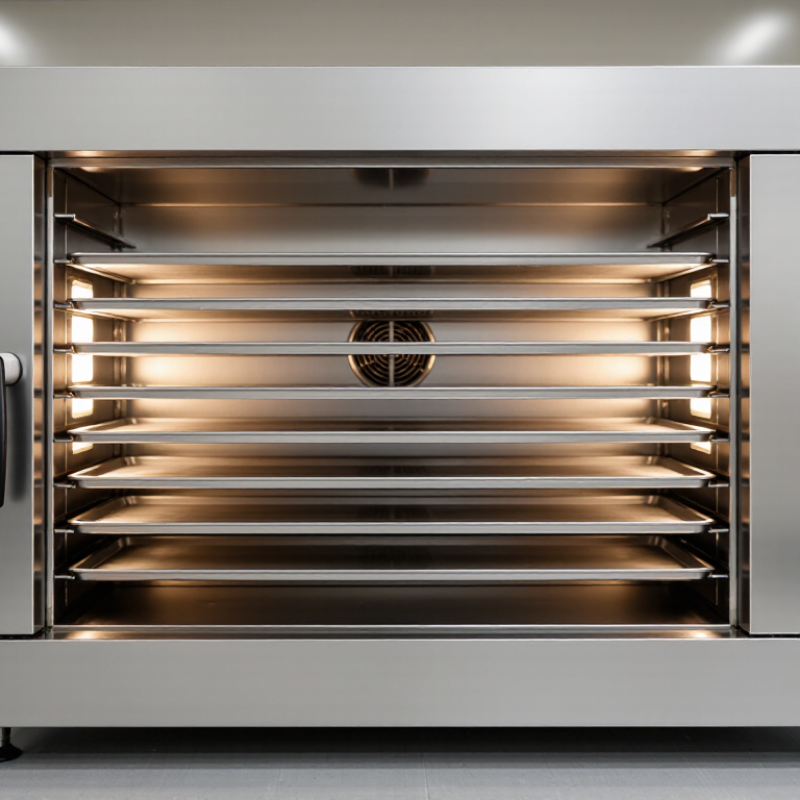
Choosing the China Best Hot Air Circulating Oven for global buyers requires more than comparing prices. Buyers must examine airflow, temperature stability, chamber materials, energy use, and after-sales support. A reliable oven should distribute heat evenly across every tray, even during long production cycles. Picture a stainless-steel chamber holding twelve trays, with warm air moving steadily around each product.

Dr. Peter Fellows, a respected food-processing author, has stated, “Process control is essential for consistent food quality.” This principle applies directly to every Hot Air Circulating Oven purchase. A strong supplier should provide factory testing records, calibration details, electrical specifications, and clear operating instructions. Ask how the manufacturer checks temperature deviation at different chamber points. Ask about fan durability, insulation thickness, cleaning access, and replacement parts.

Performance matters more than impressive brochures. However, no oven is perfect. Some models may show small temperature differences near the door or corners. That weakness deserves honest testing, not vague promises. Global buyers should request sample trials using their actual trays, products, and loading patterns. They should also confirm voltage compatibility, packaging protection, installation guidance, and local service arrangements.

The best choice balances engineering, usability, documentation, and dependable communication. Certification requirements also vary by destination. A careful supplier will explain them without making unsupported claims. This introduction examines leading Chinese manufacturers, practical selection criteria, testing methods, and the details that influence long-term operating costs. It focuses on evidence buyers can verify, not marketing language alone.
China Best Hot Air Circulating Oven for Global Buyers?

What Defines the Best Hot Air Circulating Oven from China?

The best hot air circulating oven from China is defined by measurable performance, not a polished product photograph. Buyers should examine temperature uniformity, airflow stability, heating speed, and energy use. A reliable unit should maintain even heat across every tray, including corners that often become cooler.

In practical evaluation, place calibrated temperature sensors at several chamber points. A well-designed oven should show only a small temperature difference during steady operation. The fan must circulate air without creating harsh hot spots or damaging delicate materials. Stainless steel interiors, secure door seals, thermal insulation, and clearly labeled controls also matter. Small details reveal manufacturing discipline. Poor hinges or loose wiring should not be ignored.

Ask for factory test records, calibration information, electrical specifications, and clear operating instructions. These documents support traceability and safer installation. Check whether the supplier can provide replacement heating elements, fans, sensors, and technical assistance. After-sales support is often overlooked.

It should not be.

A flexible controller may offer programmable heating and drying cycles, but complicated menus can slow production. Simpler controls are sometimes better. The “best” oven also depends on load size, material sensitivity, local voltage, ventilation, and working temperature. One weakness remains: published test data may not reflect real loading conditions. Buyers should request a sample test with their actual trays and materials before making a final decision.

How Hot Air Circulating Ovens Work and Where They Are Used

China Best Hot Air Circulating Oven for Global Buyers?

Hot air circulating ovens use a heater, fan, chamber, and exhaust path. The heater raises the air temperature. The fan then moves that air across the load. Warm air reaches trays, parts, or coated surfaces more evenly. A portion of the air leaves through the exhaust, while the remaining air recirculates. Temperature sensors and controllers adjust heating when conditions change. Simple in principle. Difficult in practice.

The U.S. Department of Energy reports that process heating represents about 17% of total U.S. energy use and nearly 61% of manufacturing energy consumption. This explains why airflow design and insulation matter to global buyers. Poor circulation can create hot corners, wet centers, or uneven curing. The oven may display 120°C, while the product surface experiences something different. Load testing is essential.

These ovens support drying, coating curing, powder processing, laboratory preparation, and selected food applications. Each use needs different airflow, exhaust, materials, and temperature controls. NFPA 86 provides widely recognized guidance for industrial ovens and furnaces, while local electrical and workplace rules still require review.

A lower purchase price can hide higher energy loss or maintenance work. That lesson is easy to overlook. Buyers should request temperature-uniformity records, recovery-time data, insulation details, and safety documentation. Reports look precise; real production is less obedient.

Key Features Global Buyers Should Compare Before Purchasing

China Best Hot Air Circulating Oven for Global Buyers?

Key Features Global Buyers Should Compare Before Purchasing

Global buyers should compare airflow uniformity, not only the advertised temperature range. A reliable hot air circulating oven should maintain stable heat across every tray. Ask for temperature-mapping data from the working chamber. Small differences can affect drying, baking, or heat-treatment results. Check the circulation fan design and air-return path. Uneven airflow often appears near corners and the lowest shelf.

Control accuracy matters during long production cycles. Compare sensor type, temperature tolerance, timer functions, and alarm settings. A clear digital controller reduces operator mistakes. It should also record operating data when process traceability is required. Short test runs help. Request samples or conduct an on-site performance check before ordering. Specifications alone can look impressive.

Inspect insulation, door sealing, stainless-steel surfaces, tray spacing, and cleaning access. Ask whether the oven supports your local voltage and frequency. Confirm electrical protection, ventilation needs, and emergency shutdown features with qualified technicians. Energy consumption deserves attention, because a cheap purchase may become expensive during daily operation. I once underestimated door-opening losses; the calculation looked fine, but real use was different. Allow space for maintenance, too. A compact design may leave technicians struggling behind the panel. Get manuals, calibration records, spare-parts information, and response commitments in writing before payment.

China’s Manufacturing, Quality, and Customization Advantages

China Best Hot Air Circulating Oven for Global Buyers?

China’s manufacturing scale supports competitive hot air circulating ovens for laboratories, food processing, and industrial drying. UNIDO’s International Yearbook of Industrial Statistics 2024 reports that China produced about 31.6% of global manufacturing value added in 2023. This depth creates access to heaters, sensors, controllers, stainless steel, and fabrication suppliers within one supply network. Shorter sourcing links can reduce replacement delays.

Quality depends on process control, not country alone. The ISO Survey of Management System Standard Certifications 2022 shows China held the world’s largest number of ISO 9001 certifications. Buyers should still request calibration records, material certificates, wiring diagrams, and factory inspection evidence. A useful acceptance test checks temperature uniformity at multiple shelf positions. Airflow matters.

Customization is a practical advantage. A supplier can adjust chamber size, tray spacing, voltage, exhaust ports, insulation, and control interfaces for local production conditions. The International Energy Agency reports that industrial energy use remains a major global demand sector, so insulation and heat recovery deserve careful review. Ask for measured energy consumption, not only catalog estimates. Some specifications look impressive but lack testing conditions. That weakness needs questioning. A serious supplier should provide sample-run data, alarm functions, spare-parts lists, and clear after-sales responsibilities before shipment.

How to Select a Reliable Chinese Oven Supplier and Verify Compliance

Choosing China’s best hot air circulating oven starts with the supplier, not the catalog photograph. A reliable supplier should explain airflow design, heating elements, chamber volume, temperature range, and uniformity results. Ask for factory videos, production records, and a live inspection. Look for clean welds, evenly sealed doors, thick insulation, and accessible control panels. Small details matter.

Compliance must match the destination market. Request the technical file, risk assessment, wiring diagram, test reports, declaration of conformity, and material information for all product-contact surfaces. Do not accept a certificate image alone. Confirm its issuer, model number, test scope, and validity. Check electrical safety, electromagnetic compatibility, grounding, and emergency-stop functions. For food, pharmaceutical, or laboratory use, verify additional hygiene and documentation requirements. Local import rules may differ.

Before payment, require a sample test or factory acceptance test. Place calibrated sensors at several chamber positions. Record temperature stability, recovery time, noise, and power consumption. The supplier should provide serial-number traceability, spare-parts lists, operating manuals, and warranty terms. After-sales support is often overlooked. That can become expensive.

A lower price may hide weak insulation or inconsistent controllers. I have seen buyers trust polished documents and ignore uneven heating during inspection. That mistake is avoidable, but no checklist is perfect. Keep written records, involve an independent inspector, and leave room for technical questions before signing.

FAQS

What defines a high-quality hot air circulating oven?

Measurable performance defines quality, not attractive product photos. It should provide even heat across every tray and corner. Airflow must remain stable without harsh hot spots. Small flaws matter.

How can buyers test temperature uniformity?

Place calibrated temperature sensors at several chamber points. Test the top, middle, bottom, and corners. Record temperatures during steady operation. Request a temperature map from the supplier. Real loading may produce different results.

Which construction details deserve close inspection?

Check stainless steel interiors, door seals, insulation, hinges, wiring, and tray spacing. The door should close firmly without visible gaps. Cleaning access should be practical. Loose wiring is a warning sign.

What control features should buyers compare?

Compare sensor accuracy, temperature tolerance, timers, alarms, and programmable cycles. A clear controller can reduce operator mistakes. Complicated menus may slow production. Simple controls sometimes work better.

How should energy consumption be evaluated?

Ask for measured energy use under stated operating conditions. Review insulation quality and heat loss during door opening. Check whether exhaust settings increase consumption. A low purchase price can hide higher daily costs. My earlier estimate missed door-opening losses.

What information should a supplier provide before payment?

Request factory test records, calibration details, wiring diagrams, manuals, and electrical specifications. Ask for material certificates and inspection evidence. Spare-parts lists should include heaters, fans, and sensors. Get response commitments in writing.

Can the oven be customized for local production?

Many suppliers can adjust chamber size, tray spacing, voltage, frequency, insulation, and exhaust ports. Confirm local electrical requirements with qualified technicians. Discuss ventilation and emergency shutdown needs. Customization sounds useful, but poorly defined changes create confusion.

What after-sales support should global buyers expect?

Confirm replacement-part availability, technical assistance, maintenance guidance, and calibration support. Ask how quickly common parts can be supplied. Leave service space behind the control panel. A compact cabinet may frustrate technicians.

Should buyers request a sample test before ordering?

Yes, test the oven with actual trays and materials whenever possible. Measure heating speed, temperature stability, airflow, and energy use. Run a realistic load, not only an empty chamber. Catalog data can look impressive. Real production is less tidy.

Conclusion

Choosing the best Hot Air Circulating Oven from China requires more than comparing prices. Global buyers should evaluate heating uniformity, temperature accuracy, airflow design, chamber capacity, energy efficiency, control systems, safety protection, and ease of maintenance. These ovens use circulating heated air to provide stable and even thermal treatment, making them suitable for applications such as drying, baking, sterilization, laboratory testing, food processing, and industrial production. The right model should match the required temperature range, workload, materials, and production environment.

China offers strong manufacturing capacity, flexible customization, competitive costs, and access to experienced engineering support. However, buyers should carefully assess supplier experience, production controls, material quality, testing procedures, after-sales service, and delivery capability. Before placing an order, request technical specifications, sample test results, factory information, and clear documentation showing compliance with applicable safety and quality requirements. A reliable supplier should communicate transparently and provide a Hot Air Circulating Oven that delivers consistent performance, long-term durability, and dependable support.


Ethan

Ethan

Ethan is a seasoned marketing professional with a deep expertise in our company's innovative product line. With a passion for sharing knowledge and insights, he takes the lead in regularly updating our corporate blog, where he explores industry trends, product features, and effective marketing......