When it comes to selecting Electrode Drying Ovens, the decision can be daunting. These ovens play a pivotal role in ensuring the quality and performance of electrodes used in various industries. Choosing the right drying oven can significantly impact production efficiency and product reliability.
Many factors influence the decision. The characteristics of the electrodes, the required drying temperature, and the oven's energy efficiency are crucial. A reliable drying oven can prevent defects and reduce waste. Yet, not all ovens are created equal. Some may promise high performance but fail to deliver under real operational conditions.
Understanding the nuances of Electrode Drying Ovens requires expertise. Few tips can guide you in making an informed choice. Choosing wisely can save time and resources, enhancing overall productivity. Ultimately, a well-informed decision reflects a commitment to quality and operational excellence.
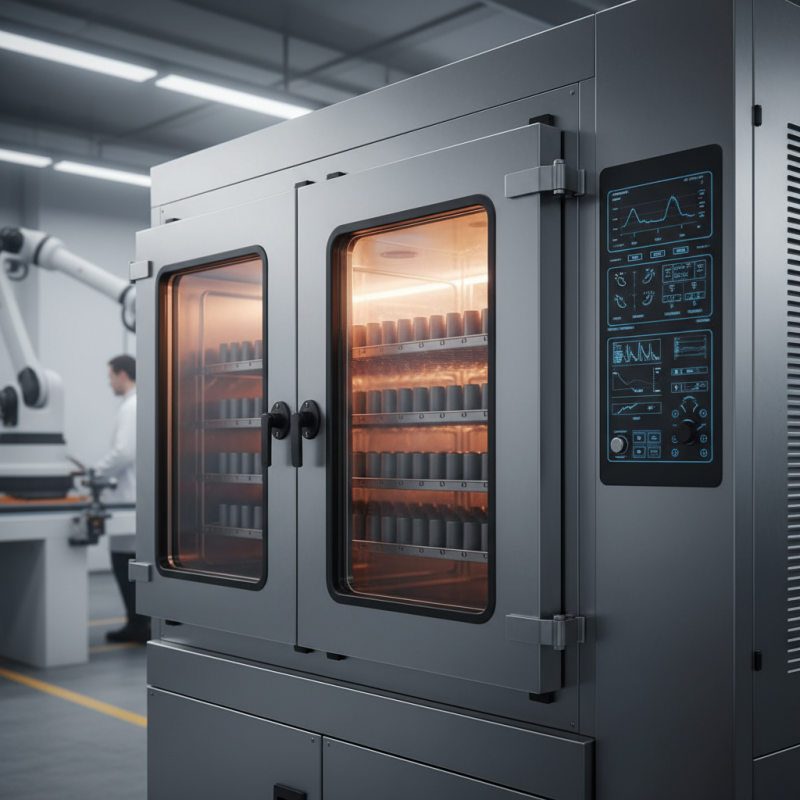
Understanding the Importance of Electrode Drying Ovens in Manufacturing
Electrode drying ovens are crucial in manufacturing processes, especially in industries like battery and electronics. These ovens ensure that electrodes achieve the right moisture levels. Proper drying enhances performance and increases product durability. Without efficient drying, manufacturing defects may arise, leading to costly errors. Understanding their importance helps in making informed choices.
When selecting an electrode drying oven, consider efficiency first. A well-designed oven should maintain consistent temperatures throughout. Fluctuations can lead to uneven drying. Also, look for an oven that offers precise humidity control. This feature ensures that moisture is removed adequately without over-drying, which can damage sensitive materials.
Quality matters too. Aim for an oven built with durable materials. This investment can prevent frequent breakdowns and maintenance costs. Check for user reviews and expert recommendations to gauge reliability. Sometimes, the cheapest option may not be the most effective. Researching applications and best practices can reveal insights that may not be immediately obvious.
Key Features to Consider When Selecting an Electrode Drying Oven
When selecting an electrode drying oven, consider key features that will meet your specific needs. Temperature uniformity is crucial. An even heat distribution ensures consistent drying of electrodes. Look for models with advanced heating technologies to achieve this.
Another aspect to focus on is the oven's humidity control. Excess moisture can ruin the drying process. It’s beneficial to choose ovens equipped with a reliable humidity monitoring system. This helps in maintaining optimal drying conditions.
Pay attention to the oven's capacity as well. A larger capacity is not always better. Evaluate the scale of your operations. A smaller oven may suffice for limited production. Assess your workflow to prevent unnecessary costs. Remember, the best choice aligns with your operational requirements and efficiency goals.
Evaluating Heating Methods: Convection, Conduction, or Radiant Heat
When selecting electrode drying ovens, the heating method is crucial. Each method—convection, conduction, or radiant heat—has distinct advantages and limitations. Convection ovens circulate hot air, ensuring uniform heating. This can be ideal for large batches. However, they may have longer drying times than other methods. A study from the National Institute of Standards and Technology noted that convection ovens can take up to 20% longer to achieve the desired moisture content.
Conduction heating, on the other hand, directly transfers heat through contact. This method can be faster and more energy-efficient. Yet, uneven heat distribution can lead to inconsistent drying. A report by the International Journal of Heat and Mass Transfer suggests that careful control of contact surfaces is essential to avoid hot spots. Radiant heat provides rapid drying but can be tricky. If temperature is too high, it risks damaging the electrodes.
Choosing the right heating method requires a clear understanding of your specific needs. Consider the shape and size of the electrodes. The wrong method can lead to wasted resources and product failure. Investing time in research and consultation can provide better outcomes in the long run.
Top 5 Tips for Choosing Electrode Drying Ovens
| Tip |
Description |
Heating Method |
Efficiency |
Ideal Use Cases |
| Understand Heating Methods |
Learn about convection, conduction, and radiant heat to select the best option. |
Convection |
High |
General drying applications |
| Consider Size and Capacity |
Choose an oven that fits your workspace and meets production needs. |
Conduction |
Medium |
Tampering small batches |
| Check Temperature Range |
Ensure the oven supports the necessary temperature for your materials. |
Radiant Heat |
High |
Thin coatings and films |
| Evaluate Energy Consumption |
Analyze the energy efficiency of different heating methods. |
Convection |
High |
Volume drying |
| Look for Safety Features |
Ensure the oven has safety mechanisms to prevent overheating. |
All Methods |
Varies by design |
Processes with hazardous materials |
Assessing Size and Capacity Requirements for Your Production Needs
When choosing an electrode drying oven, understanding size and capacity is crucial. The size of the oven should align with your production floor space. Measure your area carefully. Consider the dimensions of the oven but don’t forget about ventilation requirements. The capacity must accommodate your production needs, allowing for efficient workflows.
Evaluate the amount of material you plan to process daily. This will help you determine the necessary capacity. If there’s uncertainty in demand, err on the side of a larger oven. A smaller oven may restrict future growth. It can lead to bottlenecks in production. It's essential to balance your current needs with potential expansion.
Flexibility in sizing can also enhance the oven's utility. An adjustable shelving system could be beneficial. This allows for varied batch sizes. But be careful; too much flexibility might complicate the drying process. Keep in mind the impact of uneven heat distribution. Understanding these factors aids in selecting the right oven, boosting efficiency in the long run.
Top 5 Tips for Choosing Electrode Drying Ovens
This chart illustrates the recommended capacity requirements for electrode drying ovens based on the production needs of different manufacturing processes.
Exploring Energy Efficiency and Cost-effectiveness in Oven Selection
When selecting electrode drying ovens, energy efficiency and cost-effectiveness are key factors. According to industry reports, energy costs can account for over 30% of operational expenses in manufacturing. Choosing the right oven can significantly reduce these costs. For instance, ovens with advanced insulation technology can minimize heat loss and lower energy consumption.
Tip 1: Look for ovens that offer programmable settings. This allows users to optimize power use based on workload. It can lead to savings of up to 20% on energy bills.
It's essential to evaluate the long-term costs of oven selection. Some initial investments may seem high. However, energy-efficient ovens can pay off quickly. Based on a recent study, facilities switching to high-efficiency models reported reduced downtime and lower maintenance costs.
Tip 2: Assess the drying capacity relative to energy usage. An oven with faster drying times can enhance productivity, ultimately leading to a better return on investment. Seek models that provide performance metrics to ensure reliability.
Monitoring energy consumption is crucial. A recent analysis suggested that investing in energy-monitoring technology can lead to insights into power use patterns. This data allows for more informed decisions on oven usage, further enhancing efficiency and cost savings.
Conclusion
Electrode drying ovens play a crucial role in the manufacturing process, particularly in industries that require precise moisture control for electrode production. When selecting an electrode drying oven, it's essential to consider several key features, including the heating methods available—such as convection, conduction, or radiant heat—which can significantly influence the drying efficiency and uniformity.
Additionally, assessing the size and capacity requirements tailored to your production needs ensures that the oven can handle the desired output without compromising quality. Energy efficiency and cost-effectiveness are also paramount factors, as they can impact long-term operational costs and the overall sustainability of the manufacturing process. By keeping these considerations in mind, manufacturers can make informed decisions that enhance productivity and product quality in their electrode drying applications.

 XUD Ovens