How to Choose the Best Automotive Industrial Ovens for Your Needs?

Time:2026-06-10 Author:Liam
0%

Choosing the right Automotive Industrial Ovens is crucial for any automotive business. These ovens play a vital role in processes such as curing, drying, and coating. The right oven can improve efficiency and product quality. However, selecting one isn't simple. Each business has unique needs.

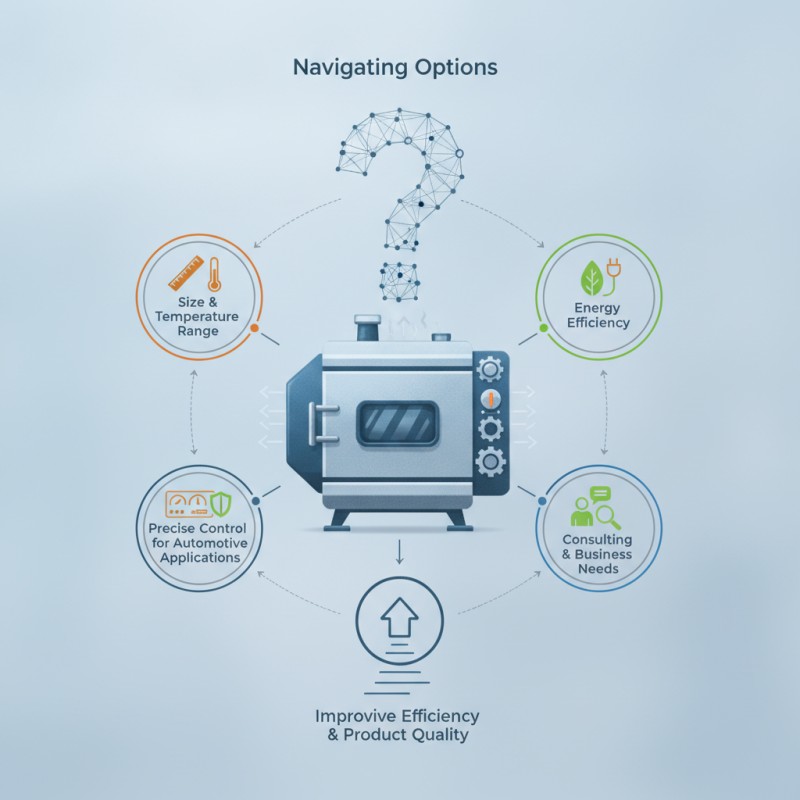
Many factors should influence your choice. Consider size, temperature range, and energy efficiency. Additionally, look for features tailored to automotive applications, such as precise control and durability. It can be overwhelming to navigate options and make a decision.

Consulting experts in the field is wise. Their insights can guide you through the complexities. However, even with guidance, remember that a perfect choice may not exist. Reflection on what works best for your specific operations is essential. Embrace the learning process as you find the Automotive Industrial Ovens that serve your needs best.
How to Choose the Best Automotive Industrial Ovens for Your Needs?

Factors to Consider When Selecting Automotive Industrial Ovens

When selecting automotive industrial ovens, key factors shape your decision. One major consideration is the temperature range. Ovens should easily reach and maintain high temperatures, typically between 100°C to 300°C. This range is essential for curing paints and coatings. According to industry reports, the right temperature control affects the adhesive properties and durability of finishes.

Another crucial factor involves the oven’s size and capacity. Larger operations may require ovens with multiple tiers or larger chambers. Some reports suggest that ovens with a volume of around 10 cubic meters are widely preferred in mid-sized facilities. However, scaling up can come with challenges, such as inconsistent heat distribution, a common issue in larger units.

Energy efficiency plays a significant role too. Look for ovens designed with improved insulation and recovery features. Efficient ovens can reduce operational costs by up to 20%. However, investing in the most advanced technology can lead to higher initial costs. Balancing these factors with future needs requires critical assessment and careful planning.

Factors to Consider When Selecting Automotive Industrial Ovens

Types of Automotive Industrial Ovens: Comparison and Use Cases

When selecting automotive industrial ovens, understanding the different types is crucial. There are primarily three types: convection, infrared, and hybrid ovens. Convection ovens evenly circulate hot air, ensuring uniform heating. They are ideal for large batches of parts, offering consistent results.

Infrared ovens rely on radiant heat. They provide quick heating and are excellent for curing and drying. However, they may not penetrate thick materials well. Consider their use for smaller components or surface treatments. Lastly, hybrid ovens combine elements of both. Their versatility makes them suitable for various applications but may require more complex handling.

Reflecting on specific needs is important. Consider the size of your parts and the required temperature ranges. Evaluate how quickly and efficiently you need the process to be. Customization options may need exploration. Balancing efficiency with your specific demands can be challenging, but it is essential for effective production. Analyze each type's pros and cons critically before making a decision.

Key Specifications and Features of High-Quality Ovens

When selecting automotive industrial ovens, key specifications and features play a crucial role. High-quality ovens should offer precise temperature control and uniform heat distribution. Look for models that utilize advanced insulation technology. This ensures minimal heat loss and energy efficiency. Consider the oven's capacity to determine how many parts can be processed simultaneously.

Tip: Assess your production needs. Identify whether you require batch processing or continuous operations. This can influence your choice significantly.

Another important factor is the safety features of the oven. Built-in alarms and automated shut-off systems can prevent accidents. Additionally, ensure that the materials used in construction are durable and resistant to extreme conditions.

Tip: Always read user reviews and specifications carefully. These insights can highlight potential issues and areas for improvement. Don't overlook maintenance needs as well. Regular upkeep is essential for performance and longevity.

How to Choose the Best Automotive Industrial Ovens for Your Needs? - Key Specifications and Features of High-Quality Ovens

Specification Description Importance
Temperature Range Typically from 200°F to 600°F. Critical for various material curing processes.
Heating Method Electric, gas, or infrared heating. Affects energy efficiency and heating speed.
Size and Capacity Varies; select according to workspace and production needs. Determines the volume of items that can be processed.
Temperature Uniformity How evenly heat is distributed in the oven. Ensures consistent curing and drying results.
Control Features Digital displays, programmable settings, etc. Enhances ease of use and process accuracy.
Insulation Type and quality of thermal insulation materials. Affects energy consumption and safety.
Safety Features Over-temperature protection, alarms, etc. Essential for preventing accidents and malfunctions.
Warranty Length and conditions of the warranty offered. Indicates reliability and manufacturer confidence.

Energy Efficiency and Cost-Effectiveness in Industrial Ovens

When selecting automotive industrial ovens, energy efficiency becomes a crucial factor. Ovens that use less energy minimize operational costs. This is important for businesses aiming to enhance their bottom line. Consider ovens with advanced insulation and efficient heating elements. They help maintain consistent temperatures. This reduces energy consumption during operation.

Cost-effectiveness goes beyond the purchase price. Factor in maintenance and operational expenses. Some ovens may cost more upfront but save money over time. Regular maintenance helps prevent inefficiencies. Lack of proper care can lead to increased energy usage, undermining cost-effectiveness. It’s essential to analyze the total cost of ownership.

Reflecting on user needs can lead to better choices. Will the oven be used daily or occasionally? A high-capacity unit may not be necessary for occasional use. Balancing energy savings with the intended workload is vital. Each operation has unique requirements that impact efficiency. Carefully assess these elements to avoid costly missteps down the line.

Maintenance and Safety Standards for Automotive Ovens

When selecting automotive industrial ovens, maintenance and safety standards play a crucial role. Regular maintenance helps keep ovens functioning optimally. This not only enhances efficiency but also prolongs the equipment's lifespan. Inspecting heating elements, seals, and air circulation systems is vital. Identify any wear and tear early on to prevent larger issues down the line.

Safety standards cannot be overlooked in the automotive sector. Ensuring that ovens meet industry safety guidelines is essential. Regular training for operators on safe practices can mitigate risks. Using appropriate protective gear when handling materials is a best practice. However, accidents can still occur. Continuous evaluation of safety protocols is necessary to adapt to new challenges.

In the long run, reflecting on past safety incidents can offer valuable lessons. It is important to encourage open discussions about safety within teams. Sharing experiences can foster a culture of awareness. Regular audits and checks also help maintain compliance with safety standards. Remember, safety is not just a checklist; it is a mindset that needs nurturing.

FAQS

: What should I look for in temperature control of an oven?

: Precise temperature control is crucial. It ensures consistent results in heating.

Why is insulation technology important?

Advanced insulation minimizes heat loss and enhances energy efficiency during operations.

How do I determine the right oven capacity?

Assess your production needs. Consider whether batch or continuous processing is more suitable.

What safety features are essential in an oven?

Look for built-in alarms and automated shut-off systems to prevent accidents.

How can I maintain my oven effectively?

Regular maintenance is key. Inspect heating elements and seals regularly to avoid issues.

Why is training important for operators?

Operator training on safety practices reduces risks and promotes a culture of awareness.

What should I do if safety incidents occur?

Reflect on past incidents. Encourage discussions to learn and improve safety measures.

How often should I conduct safety audits?

Regular audits help maintain compliance and adapt to new safety challenges as they arise.

Conclusion

When selecting Automotive Industrial Ovens, several factors play a crucial role in making the right choice. Key considerations include the specific needs of the automotive industry, the type of oven best suited for particular applications, and a comparison of various oven types. Each type serves different use cases, from painting to drying vehicle components, so understanding their capabilities is essential.

Additionally, high-quality Automotive Industrial Ovens should feature specific key specifications such as temperature control, chamber size, and uniformity of heating. Energy efficiency and cost-effectiveness are also vital, as they significantly impact operational expenses. Lastly, abiding by maintenance and safety standards is crucial to ensure the ovens operate efficiently and safely, minimizing risks in the workplace. Overall, carefully assessing these elements will help in choosing the best ovens tailored to your automotive needs.


Liam

Liam

Liam is a dedicated marketing professional with a profound expertise in the industry, where he excels at highlighting the unique advantages of our core products. With a keen understanding of market trends and consumer needs, Liam frequently updates our company’s professional blog, providing......